
Occupational Hearing Loss: Causes, Prevention, and Hearing Protection at Work
IN SHORT
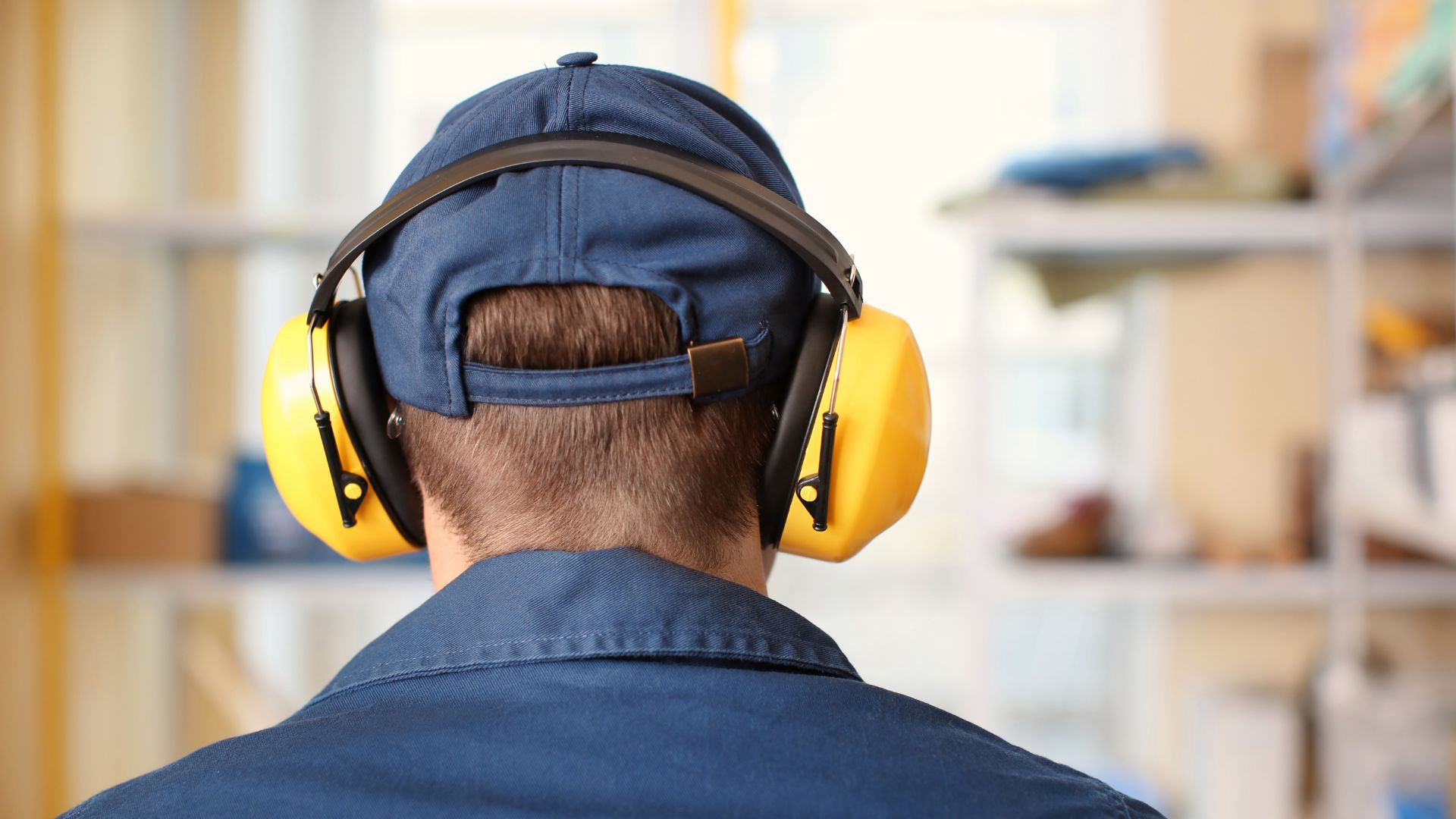
Hearing protection at work is essential for preventing occupational hearing loss: a form of hearing loss caused by long-term exposure to high noise levels.
- The legal limit in Canada is an average exposure of 87 dBA over an 8-hour period.
- Approximately 93% of occupational disease cases are related to occupational hearing loss.
- Occupational hearing loss can cause difficulty concentrating and lead to social isolation.
Occupational Hearing Loss: What Is It?
Occupational hearing loss is the term used to describe permanent hearing loss caused by prolonged exposure to high noise levels in the workplace.
In fact, the term “occupational hearing loss” is used specifically when the hearing loss is linked to working conditions. Generally, there are two main types of occupational hearing loss.
The Two Main Causes of Occupational Hearing Loss
Not all cases of work-related hearing loss are the same. Generally speaking, we distinguish between two types of occupational hearing loss.
Hearing Loss Caused by Chronic Exposure
This is the most common type. It develops gradually, as each day on the job exposes your ears to excessively high noise levels.
Each day weakens and eventually destroys your sensory cells, making the progression of this type of hearing loss subtle and gradual.
Sudden Hearing Loss Caused by Acute Acoustic Trauma
Much rarer, this form of hearing loss is caused by a single event. It is usually triggered by a very loud noise, such as a nearby explosion or a pressure surge.
Depending on the severity of the damage to the inner ear and eardrum, it is sometimes reversible.
Do You Suffer from Occupational Hearing Loss? Symptoms to Look For
Since most cases of occupational hearing loss develop gradually, it can sometimes be difficult to recognize the symptoms.
If you think you may be experiencing hearing loss related to your job, it is important to pay close attention to the symptoms.
A Progressive Decline in Hearing Ability
At first, the ear gets tired, but it recovers fairly well, which helps prevent hearing loss. However, over time, the hair cells become too damaged to maintain hearing.
Since this is a gradual process, it’s important to be aware of long-term changes. Here are the symptoms to watch for:
- The need to ask others to repeat themselves more often
- Having to make an effort to follow the conversation
- The inability to make out sounds when there is background noise
Tinnitus and Auditory Fatigue
In addition, occupational hearing loss often leads to tinnitus or auditory fatigue.
Tinnitus is a serious condition that often causes stress and difficulty concentrating. Fortunately, professional support is available for tinnitus to help minimize these issues.
This auditory fatigue typically manifests as:
- A sensation of blocked or full ears
- Frequent headaches
- Difficulty concentrating
- The above symptoms worsening in the presence of excessive noise
How to Prevent Occupational Hearing Loss or Its Progression
Since most cases of occupational hearing loss are irreversible, prevention remains the only way to avoid it in the long term if you work in a high-risk environment.
Hearing Protection at Work Isn’t Always Enough
For very loud noises, such as those from a jackhammer, hearing protection is generally not sufficient to prevent hearing damage from continuous or frequent exposure.
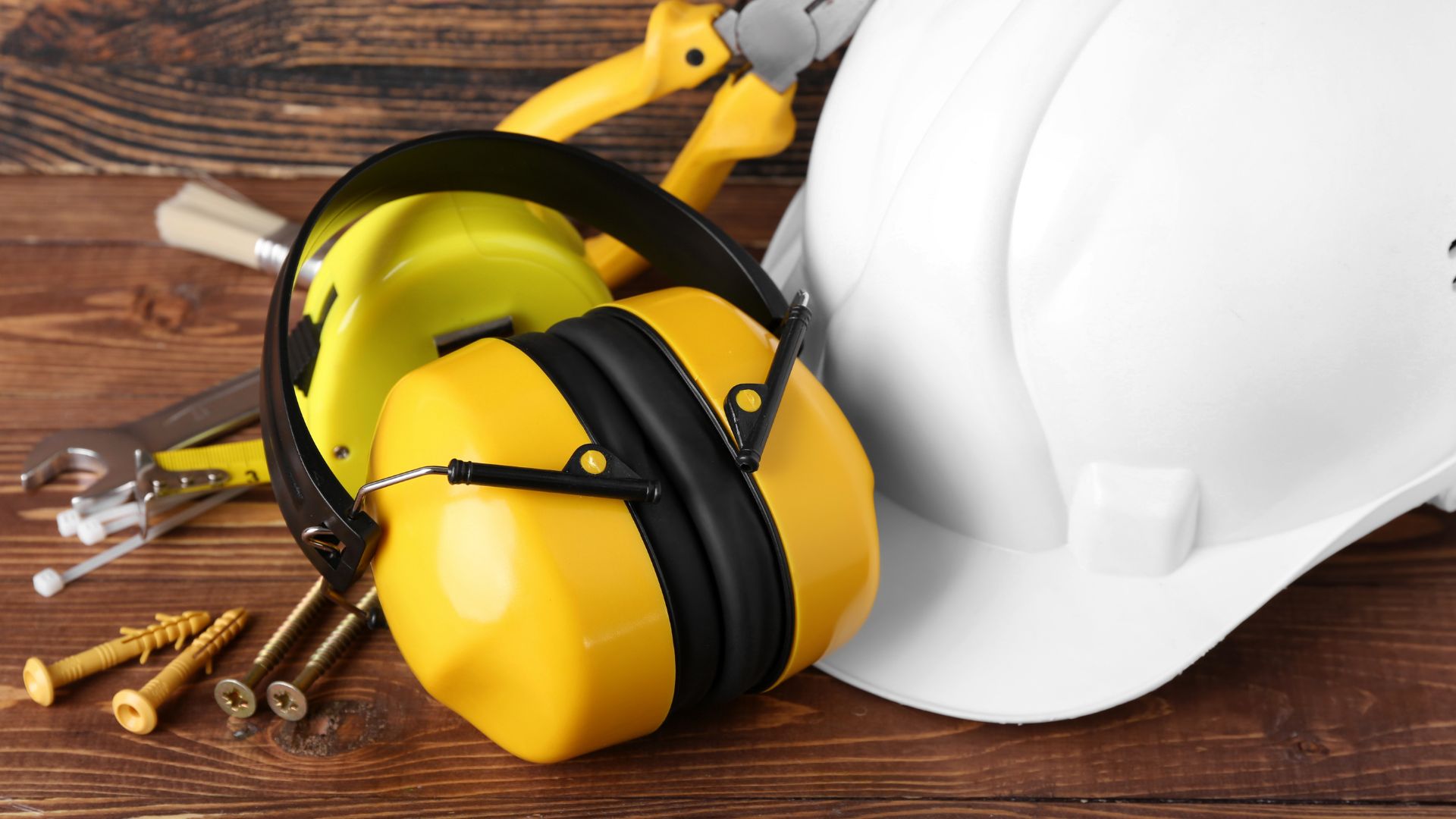
This does not mean that wearing hearing protection should be neglected. In fact, according to the WHO, approximately half of all cases of occupational hearing loss could have been prevented by wearing adequate protection.
In Canada, the legal average noise exposure limit is 87 dBA over an 8-hour period.
In practical terms, this means that if, over an 8-hour period, you are exposed to noise with an average intensity exceeding 87 decibels, your employer must make reasonable efforts to reduce your exposure.
Unfortunately, certain occupations require exposure levels exceeding this limit. In these cases, it is important to take more frequent breaks from the noisiest tasks and try to lower your average exposure.
Indeed, since long-term auditory fatigue causes most cases of occupational hearing loss, it is generally more important to pay attention to the average sound intensity over the course of a day than to brief moments of louder noise.
Occupational Hearing Loss: An Occupational Disease
In 2022, 93% of the 12,150 occupational disease claims filed and approved by the CNESST were related to noise exposure.
In addition, the incidence of occupational hearing loss is on the rise. If you believe you are suffering from occupational hearing loss, please contact your occupational health and safety representative to have your case recognized.
The Role of the Audiologist in Cases of Occupational Hearing Loss
First, early screening can detect occupational hearing loss before it worsens, allowing you to take the necessary steps to prevent complications.
An audiologist will generally be able to recommend solutions for appropriate hearing protection at work based on your specific job situation.
If hearing loss has already progressed to a point where it causes hearing difficulties, a high-quality hearing aid will help you minimize the effects of the condition and avoid the isolation that hearing loss can sometimes cause.
At Gaudreault & Rhéaume, we offer free hearing screenings because we understand that there are few things more important than taking care of your ears.
Our hearing care professionals in Laval and Montreal are here to help! Contact us today to schedule an appointment.
– Marilyn Généreux, audioprosthetist