
5 Tips to Protect Your Hearing from Loud Music
IN SHORT
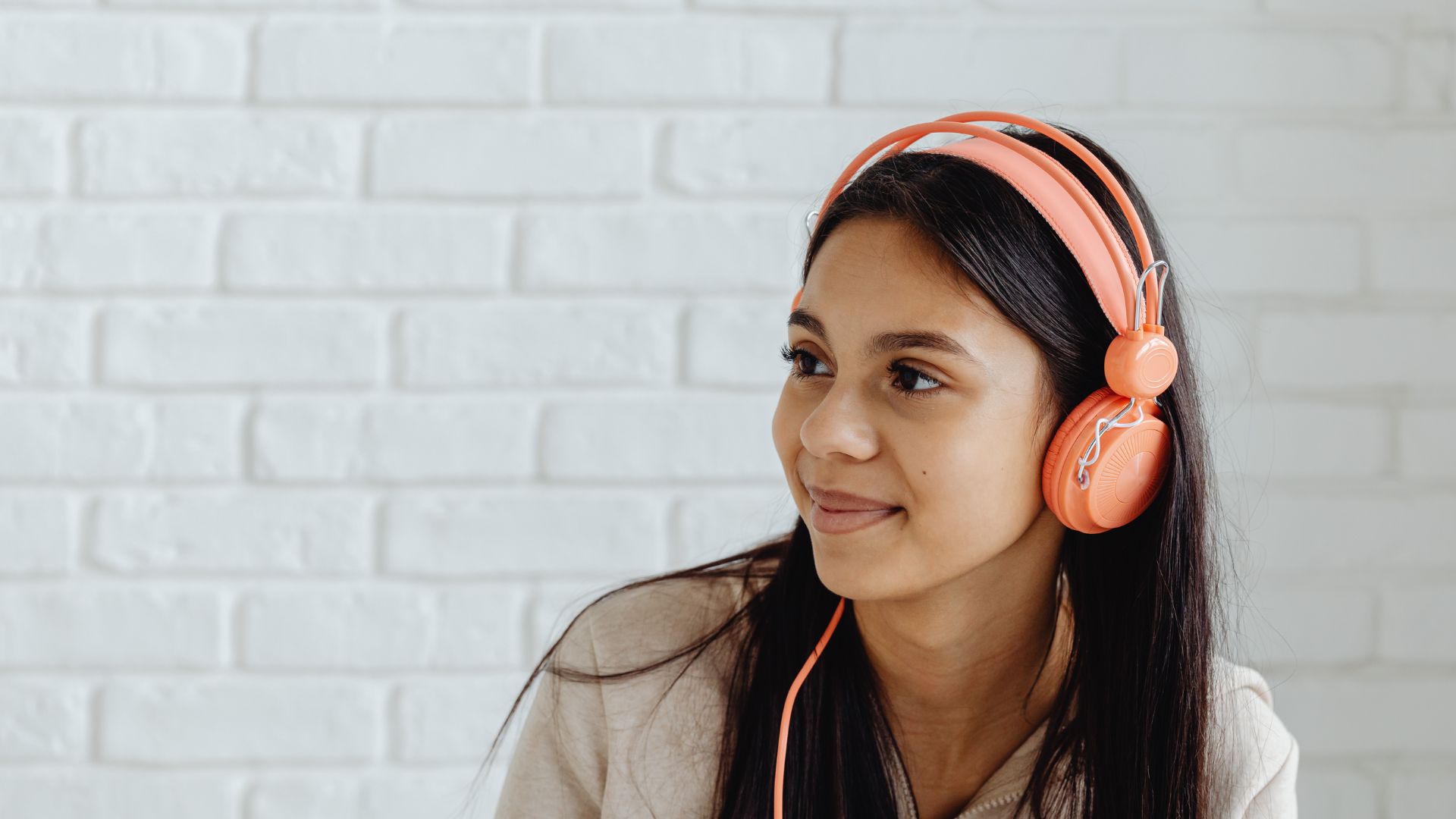
Our 5 tips for avoiding listening to loud music are:
- Turn up the bass on your music
- Never turn up the volume to compensate for a noisy environment
- Adjust the volume according to how long you’re listening
- Get yourself some good-quality headphones
- Wear ear protectors at concerts
Loud Music: The Risks and Consequences
Before we share our five tips for listening to music safely, we believe it is important to explain the risks associated with listening to loud music.
Generally speaking, music is not harmful, but poor listening habits can lead to several hearing problems. Even in the short term, listening at excessively high volumes can result in:
- The development of tinnitus
- Auditory fatigue
- Temporary or permanent hearing loss
- Hyperacusis, a form of auditory hypersensitivity
It is therefore important to take your hearing health seriously.
Even if you think your listening habits are fine because they haven’t caused any problems so far, it might be worth taking a look at our five tips for listening to music whilst protecting your hearing.
1. Adjust the Sound Settings and Turn Up the Bass
This is probably one of the least well-known tips on this list, but it’s worth noting that adjusting your sound settings to boost the bass in your music will make it sound louder than it actually is.
This is simply because the human ear perceives low-frequency sounds as louder than high-frequency sounds, even when the sounds are objectively at the same volume.
So, if you’re the sort of person who likes the sensation of loud music, turning up the bass allows you to maintain the energy of the music whilst protecting your hearing.
2. Do Not Increase the Volume in a Noisy Environment
As long as you’re mindful of your surroundings, it’s perfectly fine to listen to music on public transport or whilst carrying out noisier tasks, such as using a snow blower.
However, this sort of environment often requires you to turn up the volume to drown out the surrounding noise.
This isn’t good for your hearing. It’s best not to change the volume setting, even if it means it’s harder to enjoy your music.
When possible, listening to music in a quiet, peaceful place allows you to use a suitable volume whilst remaining attuned to more subtle sounds and tones.
3. Know the Safe Listening Level Based on the Duration of the Session
It is not impossible to enjoy loud music, as long as you do so in moderation.
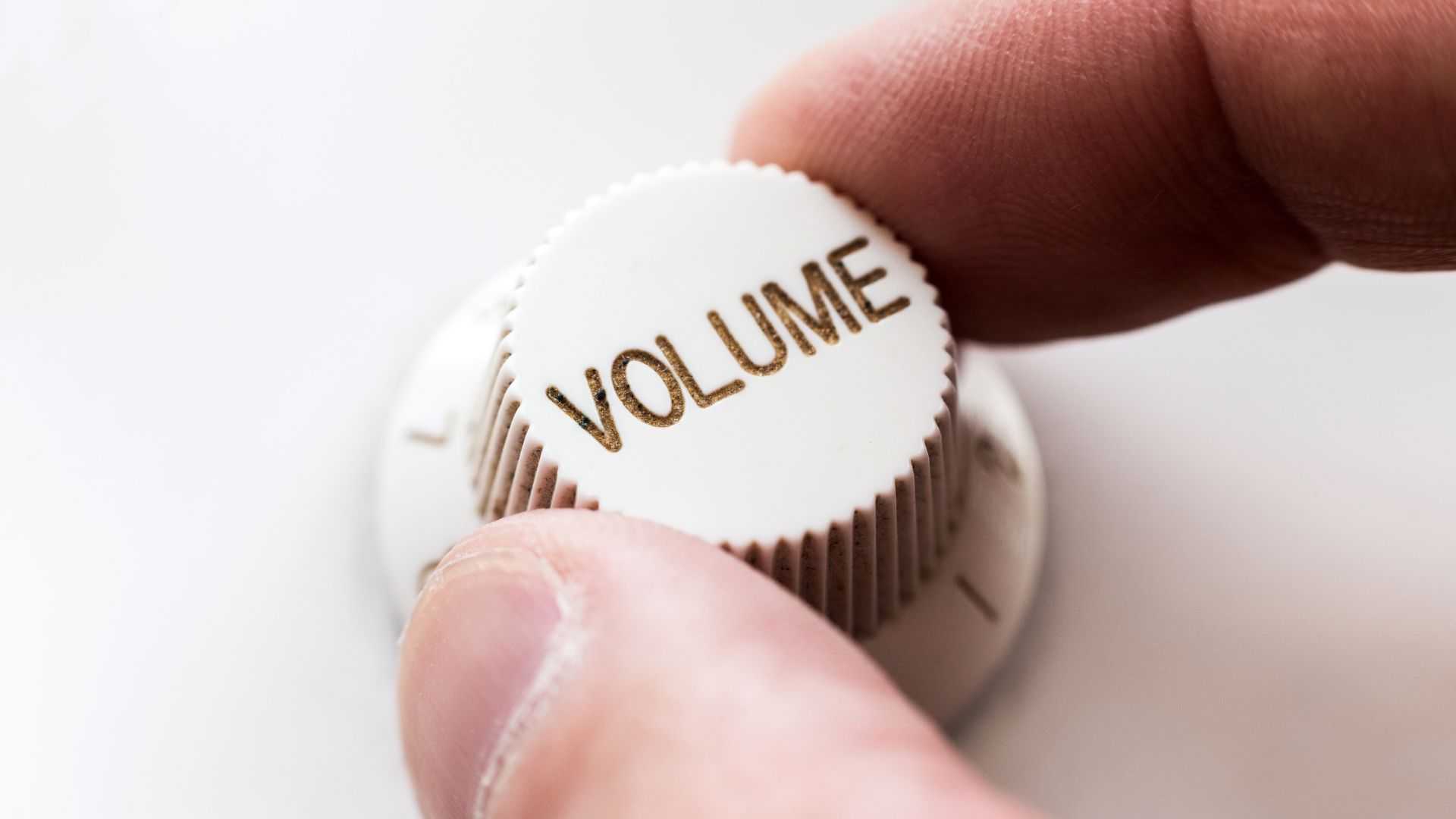
The general recommendation from the Ordre des orthophonistes et audiologistes du Québec is the “60/60” rule.
This rule means 60% of a device’s maximum volume for 60 minutes. If you wish to listen to music for longer, it is recommended that you turn the volume down.
However, some audiophiles will want more specific data on sound volume and listening time. For a noise level of 85 dBA, exposure should not exceed 8 hours per day.
The more the noise level exceeds this limit, the more rapidly the maximum listening time decreases.
Take Auditory Breaks
Similarly, it is recommended that you take a break from listening for around 10 minutes after every hour of continuous exposure to noise or music.
4. Better Headphones for Better Hearing
As well as delivering better sound quality, good headphones are often ideal for protecting your hearing.
This is because high-quality headphones often offer better protection against ambient noise.
Superior sound quality and better noise isolation combine to allow you to enjoy your music better at lower volumes, even in noisier environments.
The Advantage of Speakers
Where possible, speakers are the preferred option, as keeping a distance from the sound is the best way to avoid listening to loud music.
Of course, speakers aren’t suitable for every situation. That’s why it’s important to choose your headphones carefully.
5. Concerts: Hearing Protection is Highly Recommended
As mentioned earlier, exposure to noise levels higher than 85 dBA should be limited. Music concerts very often exceed this limit, easily reaching between 90 and 120 dBA.
Exposure for more than 15 minutes to a noise level of 100 dBA or higher can cause health problems. It is therefore important to always wear ear protection when attending a concert.
High-quality ear protection allows you to protect your hearing whilst maintaining the audio fidelity of the music.
Bonus: For a Free Hearing Test, Come and See Us!
Finally, if you’re concerned that your hearing may already be affected, it’s important to have a hearing test as soon as possible.
Based in Montreal and Laval, the Gaudreault & Rhéaume hearing aid clinics offer free hearing tests.
Our team understands the importance of good hearing. That’s why we’re always ready to help you identify any potential issues. Book an appointment today.
– Marilyn Généreux, audioprosthetist