
Fall Activities and Hunting: The Importance of Hearing Protection
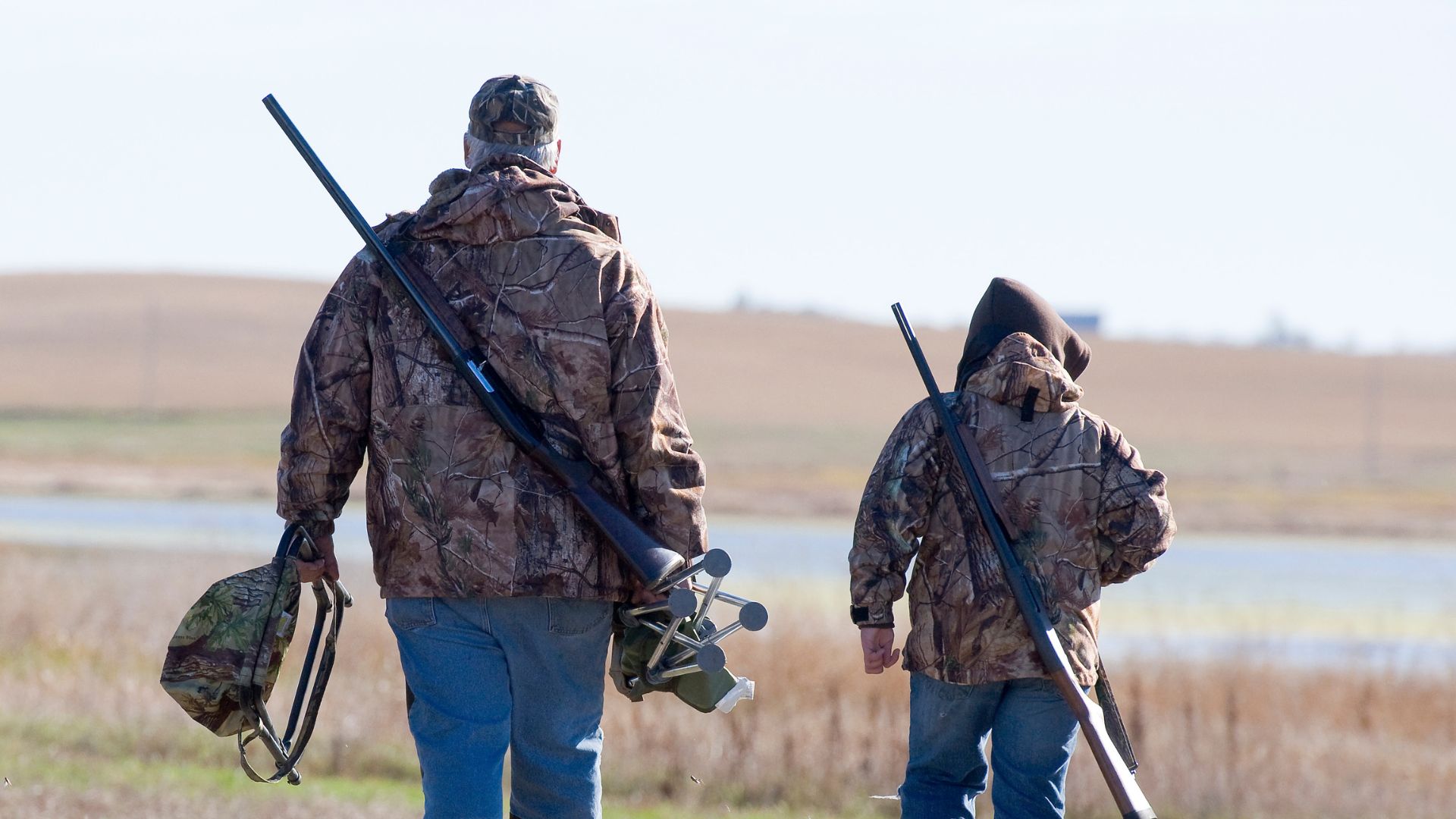
During hunting season, hearing protection deserves special attention, just as it does when doing grounds maintenance or engaging in motorized recreational activities.
Even outdoors, some sounds can cause permanent hearing damage if you aren’t properly protected. Here’s how to recognize the risks and protect your hearing throughout the fall.
IN SHORT
Appropriate hearing protection for hunting, shooting, and other noisy fall activities reduces the risks. Using earplugs and earmuffs together is especially recommended.
Why Can Fall Noises Affect Your Hearing?
The inner ear contains delicate hair cells. Sounds that are too loud can cause irreversible damage to them. The risk depends on the volume, duration, and frequency of exposure.
In fall, several popular activities, such as hunting and motorized sports, involve noise that can be dangerous due to its intensity or the duration of exposure.
Ringing in the ears or ears that feel blocked after noisy activities could indicate dangerous exposure, even if the symptoms disappear.
Gunshots: A Serious Risk to Your Hearing
Gunshots are among the loudest noises heard during outdoor recreational activities. Gunshots are measured at approximately 130 decibels, although some firearms can be even louder.
This sound level can instantly cause trauma or pain in the ear. The danger isn’t limited to repeated gunshots.
In addition, hunting companions are also exposed to these same risks, since they are generally not far enough away to really reduce the risks.
Make sure you and your companions wear the appropriate hearing protection before any shooting begins. Avoid removing it if other hunters are firing nearby.
What Type of Hearing Protection Should You Choose for Hunting?
The choice depends on comfort and the desired level of noise reduction.
Properly fitted hearing protection is essential, since the attenuation value indicated on the packaging doesn’t necessarily correspond to the actual reduction if the equipment is not fitted correctly.
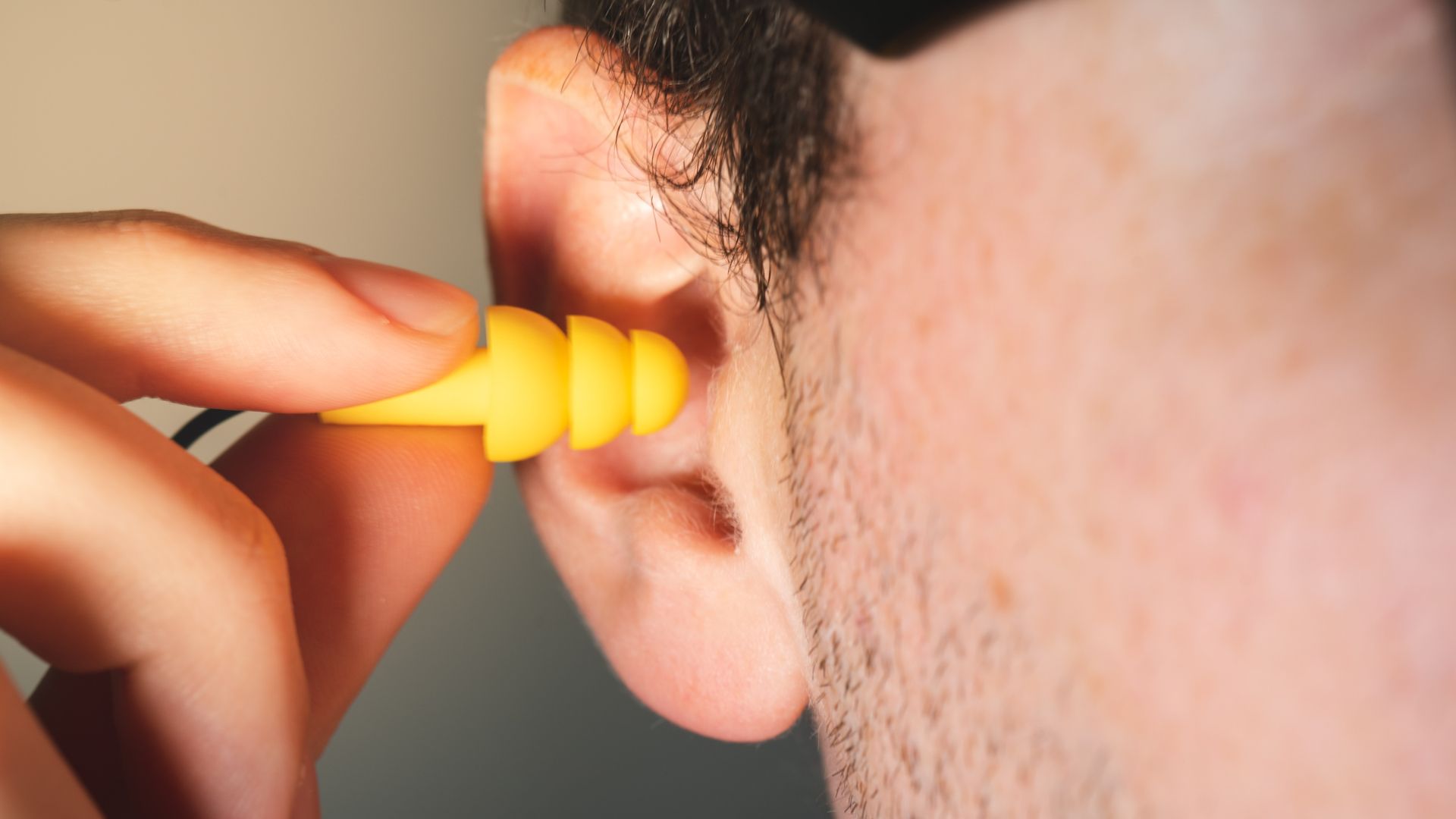
Earplugs are lightweight, easy to carry, and available in disposable, reusable or custom-moulded models.
Earmuffs cover the ears and are generally easy to put on. Their efficiency depends on the firm fit on the head: eyeglasses, thick hair, or hats can compromise their tightness and reduce noise reduction.
Electronic models designed for shooting sometimes allow you to hear certain ambient sounds while limiting very loud noises.
For hearing protection while hunting, it’s generally recommended to wear earplugs under earmuffs. This double-layered protection is one of the best ways to protect your ears from a close explosion.
Other Fall Activities That Can Put Your Hearing at Risk
Hunting isn’t the only popular fall activity that exposes you to high noise levels. Grounds maintenance and motorized activities also deserve your attention.
Leaf blowers, chainsaws, and other gardening equipment produce sustained noise. Riding an all-terrain vehicle also exposes your ears to a continuously running engine.
These noises are less intense than a gunshot, but a chainsaw reaches about 110 decibels, while a lawn mower generates about 90 decibels.
At over 100 decibels, more than 15 minutes of exposure without protection poses a risk to your hearing.
A useful rule of thumb: if you have to raise your voice to talk to someone about an arm’s length away, the noise level may require precautions.
For these activities, as well as for hunting, hearing protection must be appropriate for the noise level and be worn throughout the entire exposure time.
Whenever possible, opt for quieter equipment, keep people who don’t need to be there at a distance, and take breaks in a quiet place.
Best Practices Before, During, and After a Hunting Trip
Before you leave, check your earplugs and earmuffs, and make sure you have a backup solution. Try them with your glasses or a hat.
During the activity, keep your hearing protection on whenever there’s a potential source of dangerous noise. Never wait until you feel discomfort in your ears before putting on protection.
Finally, adding hearing protection to your usual hunting equipment contributes to making it a routine habit. If you already use hearing aids, seek advice before wearing them under earmuffs.
When to Seek Medical Advice for Your Hearing?
After a gunshot, watch for tinnitus, hearing loss, blocked ears, or even sensitivity to sounds. A sudden hearing loss requires a medical assessment that can’t wait several days.
If you hunt regularly or frequently use noisy tools, monitoring your hearing can help detect any changes. An audioprosthetist can inform you about protection options and refer you to the appropriate professional for a hearing assessment.
This fall, enjoy your favourite activities to the fullest while taking care of your ears. A few simple precautions can make all the difference for the seasons ahead.
If you’d like to learn more about hearing health and the benefits of hearing aids, don’t hesitate to contact the Gaudreault & Rhéaume team, your audioprosthetists in Montreal and Laval.
– Marilyn Généreux, audioprosthetist