
Cold, Flu, and Other Common Infections: The Effects on Your Hearing

IN SHORT
Colds, flu, and other infections can affect your hearing by causing inflammation and fluid buildup behind the eardrum.
The most common symptoms include muffled sounds, the sensation that your ears are clogged, and sometimes pain.
Most hearing disorders disappear quickly after the infection has healed, but sudden loss of hearing, intense pain, or fluid draining from the ear requires an appointment as soon as possible.
Why Your Hearing Changes During a Cold
To understand why, we need to talk about the Eustachian tubes. These small channels connect the middle ear to the back of the nose and throat. Their primary functions include equalizing air pressure on each side of the ear drum and draining fluid from the middle ear.
During a cold, the mucous membrane of the nose and throat can become swollen. As a result, the Eustachian tubes do not work properly, which creates a pressure imbalance and can cause fluid to build up in the middle ear.
As a result, sounds do not reach the inner ear as effectively, and they can feel far away, as if your head was underwater.
This hearing loss is generally temporary. However, it can last a little longer after the other symptoms have disappeared.
Flu and Sinusitis: Similar Effects
Flu often comes with significant inflammation of the respiratory tract. Just like with a cold, this inflammation can affect the middle ear and create a sensation of pressure or the feeling that sounds are muffled. It does not always mean there is an ear infection.
Sinusitis can have similar effects. When the nose and sinuses are congested, the tissues located near the Eustachian tubes can also become swollen.
The symptoms vary from one person to the other. Some feel pressure in their ears, while others notice clicking or popping sounds while swallowing or struggle to follow conversations.
In some rare cases, infections directly affect the inner ear. Significant or abrupt loss of hearing must never be automatically attributed to seasonal viruses.
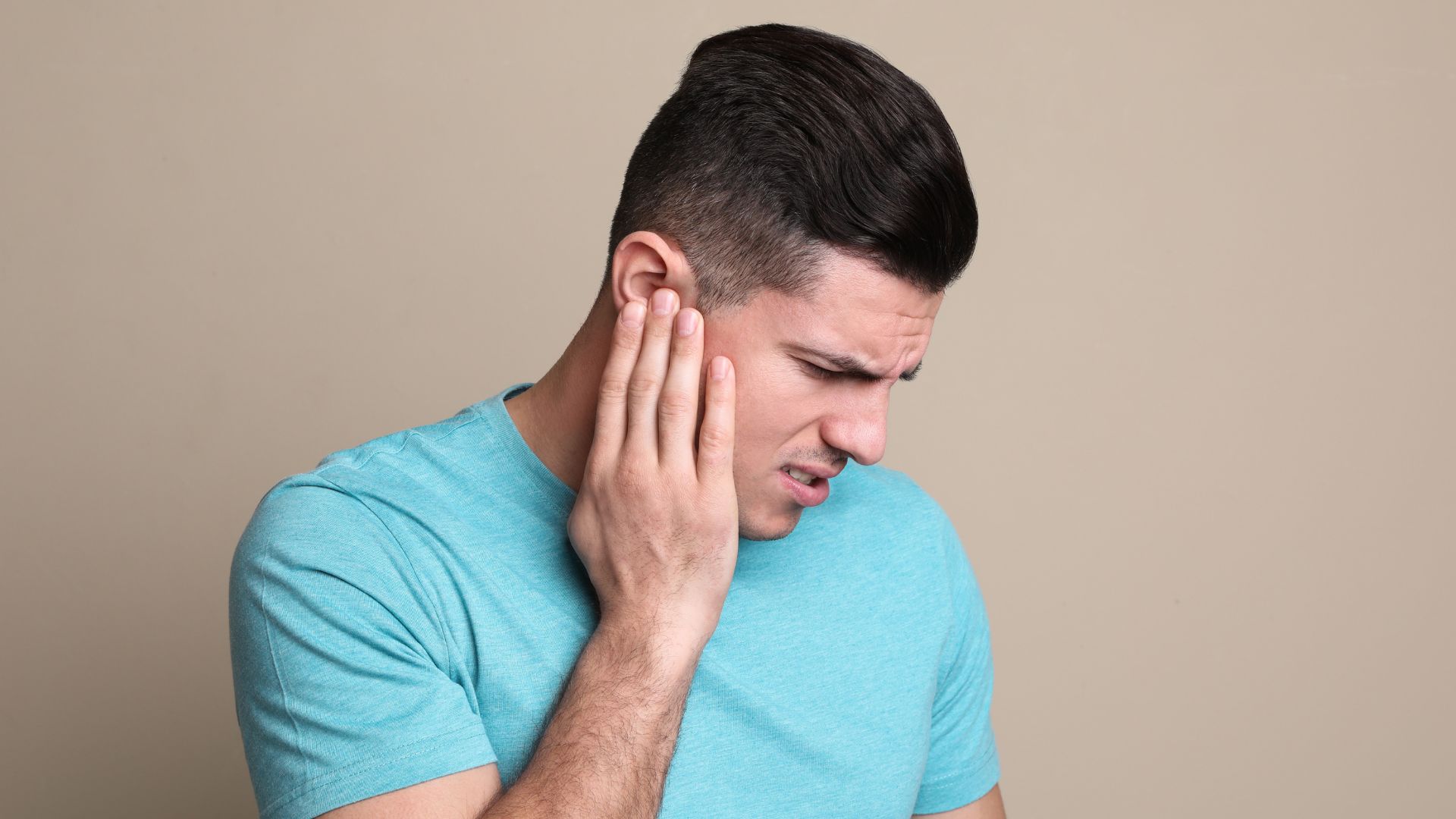
Otitis Media: Middle Ear Infections That Affect Your Hearing
A respiratory tract infection can sometimes lead to otitis media, which is an inflammation or infection behind your ear drum that could affect your hearing.
Children are particularly vulnerable, especially since their Eustachian tubes are shorter than those of adults.
Otitis can cause pain, fever, and hearing difficulty. In young children, the signs are sometimes indirect: they will answer less easily and often ask people to repeat what they said.
Even after the infection has healed, fluid buildup can stay inside the middle ear for several weeks.
If hearing loss remains longer than a few weeks, a medical follow-up is recommended.
Symptom Relief Without Making Things Worse
Some good habits can make you feel more comfortable when the symptoms are mild and occur with congestion.
Drinking enough water, using saline solutions, and taking the time to rest can help you manage respiratory symptoms. Yawning, swallowing, or chewing gently can also help equalize pressure in the ears.
Try to avoid “popping” your ears by forcefully blowing air, particularly when there is pain.
Do not insert cotton swabs into your ear canal. Even though the sensation you experience might make you feel otherwise, the problem or infection affecting your hearing is located behind your ear drum, not at the entrance to the ear canal.
Decongestants are not suitable for everyone and do not necessarily fix the fluid buildup in the middle ear. Before you use one, consult a pharmacist or doctor.
When to Worry
Generally, it is a reassuring sign if the clogged ear sensation fades away with your cold.
However, you should make an appointment with a health professional if the pain is significant, the symptoms are getting worse, you notice fluid draining from your ears, or you persistently struggle to hear after the infection has healed.
In children, hearing difficulty and recurrent otitis also require a medical examination.
Total and sudden loss of hearing, particularly on one side, is a medical emergency, even if it occurs when you have a cold. Immediate evaluation will help you find the underlying cause, which is crucial if you need fast treatment.
Finally, if your hearing does not return to its normal level, an ear evaluation can help discover the nature of the problem.
Based on the results, doctors, audiologists, and other professionals will be able to intervene promptly.
If a health professional recommends you use hearing aids, make an appointment at Gaudreault & Rhéaume, three audioprosthetist clinics in Laval and Montreal ready to serve you.
– Marilyn Généreux, audioprosthetist