
Rechargeable vs. Disposable Battery Hearing Aids: Which Is Better?
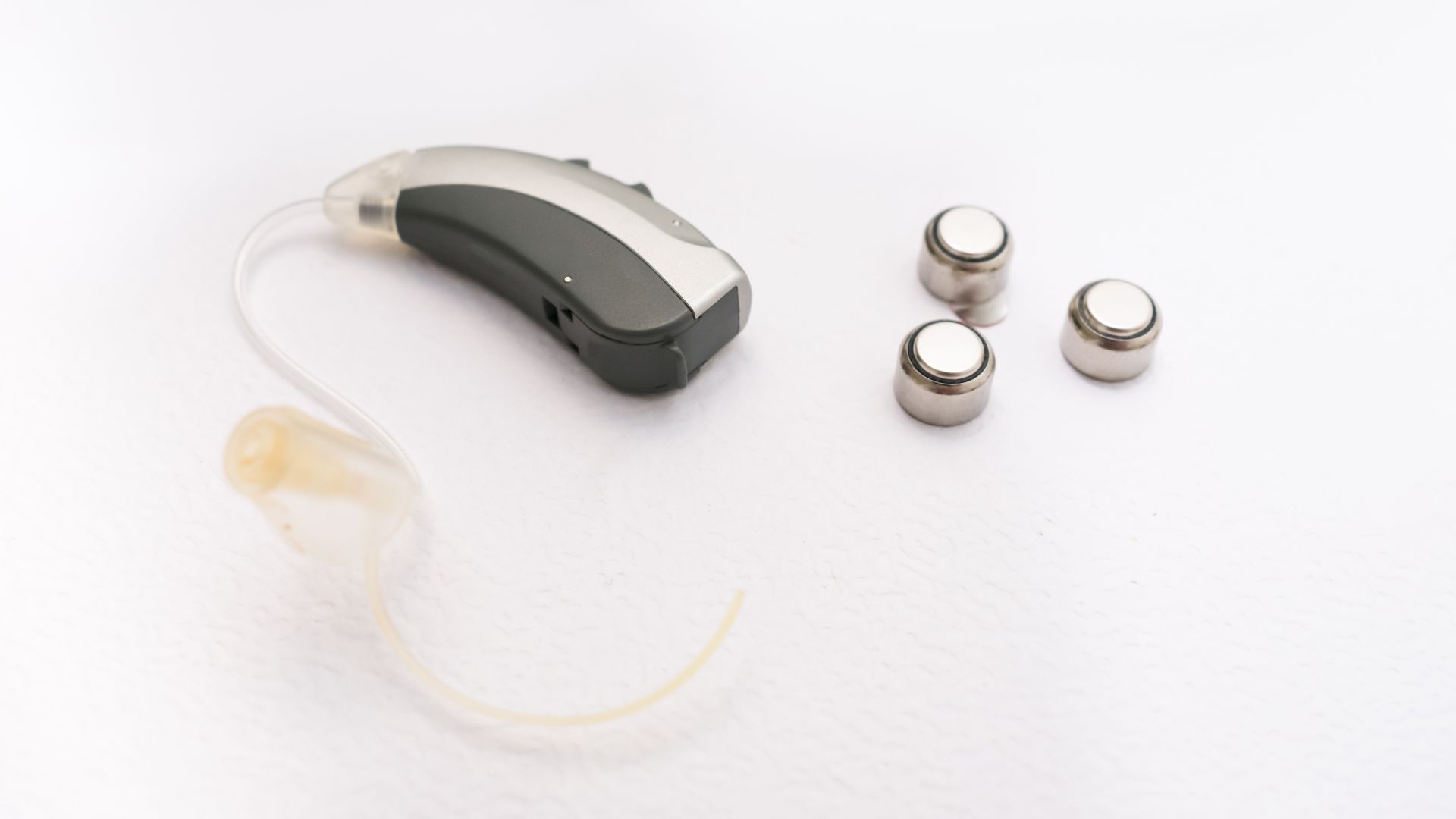
To choose between rechargeable vs. disposable battery hearing aids, you must ask yourself the right questions about your needs and lifestyle.
Gaudreault & Rhéaume, your audioprosthetists in Montreal, present all the criteria you should consider to make the best decision.
IN SHORT
When you must choose between rechargeable vs. disposable battery hearing aids, keep in mind that the two types of devices offer practical benefits.
Hearing aids that use disposable batteries are often less expensive. Moreover, disposable batteries last longer than a single charge of rechargeable batteries.
Rechargeable hearing aids eliminate the need to handle small batteries and are often more cost-effective over their overall lifespan.
Disposable Battery Hearing Aids: The Benefits
Hearing aids that use disposable batteries are worth considering, especially if you are looking for hearing aids at a better price or if you need more robust battery autonomy.
Lower Price at Purchase
Even when they have the same features as the rechargeable ones, hearing aids that use disposable batteries are generally less expensive at purchase, since they are not equipped with a built-in rechargeable battery, an expensive technology.
Of course, this benefit at the time of purchase is reduced in the long term by the ongoing expense of buying replacement batteries.
Better Autonomy
Everything will depend on the product model, but rechargeable hearing aids generally last around 15 to 24 hours.
Among other things, using the Bluetooth feature will slightly reduce how long the battery will last on a single charge. Although disposable batteries also experience this loss of battery life when using advanced features, they can provide 3 to 10 days of use, depending on their capacity.
Therefore, if you forget to recharge your hearing aids or use features like Bluetooth very frequently, the longer battery life of disposable battery hearing aids could help you avoid many problems.
Moreover, since you can always rely on this long battery life, this type of hearing aid is very useful if you often stay in cabins, go camping, or visit other areas where there is no electricity and you cannot charge your hearing devices.
Rechargeable Hearing Aids: The Benefits
Rechargeable hearing aids have many benefits. They are often more cost-effective in the long run and eliminate the need to handle small batteries.
More Cost-Effective on the Long Term
Although rechargeable hearing aids often cost more upfront, the rechargeable battery is included, and it does not need to be regularly replaced.
Nowadays, rechargeable batteries have an overall lifespan equivalent to 100 disposable batteries.
Accordingly, when you must choose between rechargeable vs. disposable battery hearing aids, rechargeable is often more cost-effective if you take good care of your hearing aids and use them for their whole lifespan.
Easier to Handle
Hearing aid batteries are very small. Therefore, changing the battery is a painstaking operation that requires some dexterity.
Rechargeable battery hearing aids, however, can simply be placed in their portable charging case before bed or when you need to charge them. In other words, they are easier to handle and ideal for people with limited dexterity.
More Sustainable Solution
Finally, the long battery life of rechargeable batteries also means they generate much less waste than the disposable batteries that are used in traditional hearing aids.
Rechargeable vs. Disposable Battery Hearing Aids: Which Option Is Best for Whom?
No choice is necessarily better than the other when choosing between rechargeable vs. disposable battery hearing aids.
To help you decide, here is a comparative table showing the pros and cons, as well as a few examples of user profiles for each hearing device:
|
Characteristics |
Disposable Batteries Hearing Aids |
Rechargeable Hearing Aids |
|
Pros |
|
|
|
Cons |
|
|
|
Recommended User Profiles |
|
|
Do You Have Any Questions? The Gaudreault & Rhéaume Team Can Answer Them
If you still have questions about whether rechargeable vs. disposable battery hearing aids suit your lifestyle, do not hesitate to ask your questions to the Gaudreault & Rhéaume team.
Gaudreault & Rhéaume is a team of dedicated audioprosthetists with clinics in Montreal and Laval. Book an appointment today.
– Marilyn Généreux, audioprosthetist