
How Hearing Works
IN SHORT
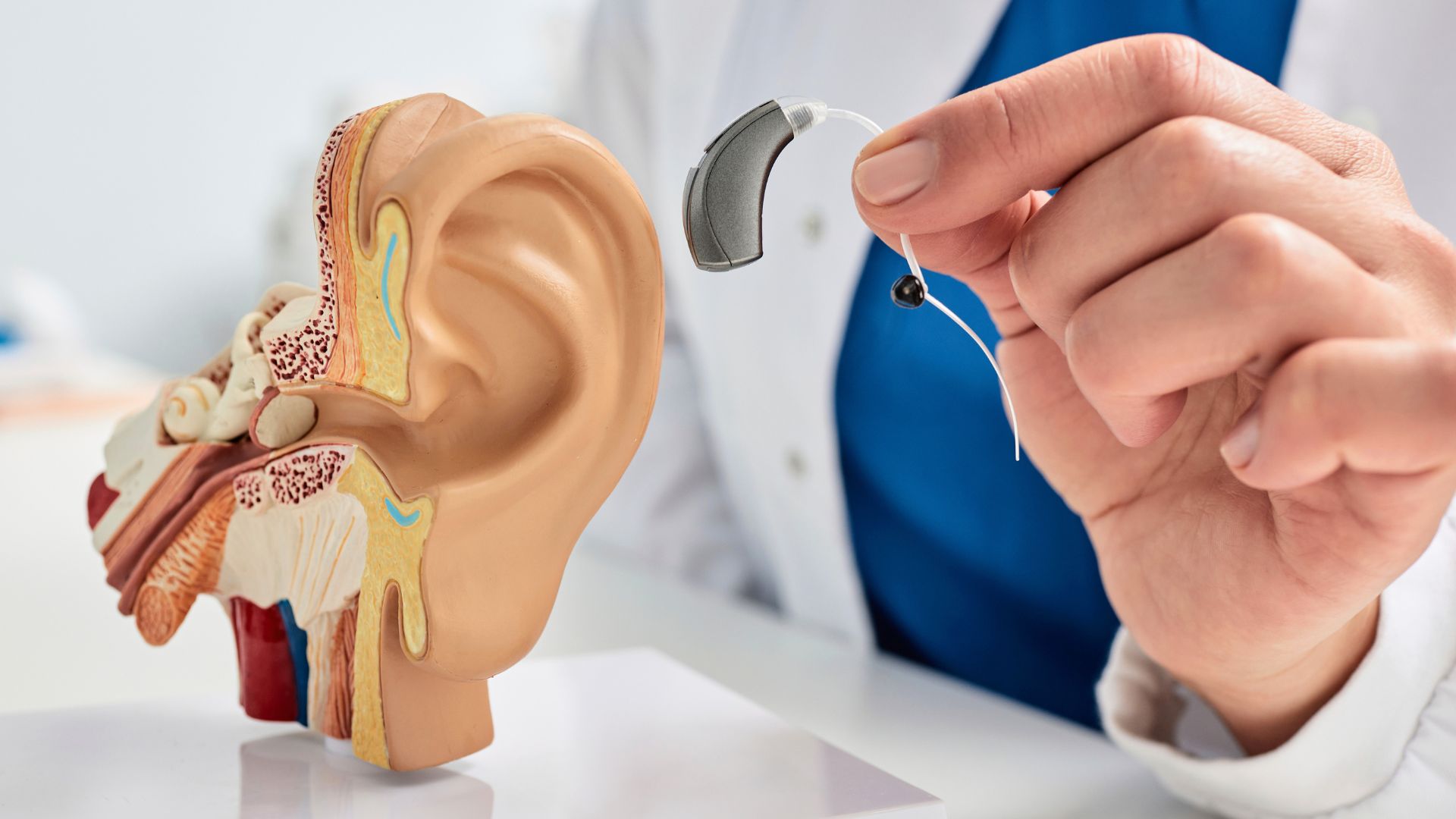
The most visible part of the ear doesn’t tell us much about the auditory system and how it works. The ear is actually made up of three parts: the outer, middle, and inner ears. The auditory system is complex, and the cochlea, along with three tiny bones – the hammer, anvil, and stirrup – plays a significant role in hearing. When hearing is lost, this might have a negative impact on your relationship with the world.
Introduction
Hearing is one of our most essential senses. It plays a key role in language learning, social interactions, and spatial awareness.
What parts of the ear enable us to hear properly? How does hearing work? In this article, we answer these two questions and explain everything you need to know.
Our Ears and the Auditory System
Our ears allow us to perceive ambient sounds.
The ear is composed of three parts, and each plays a specific role in the auditory system.
- The outer ear captures sound and directs it from the auditory canal to the middle ear;
- The middle ear channels sound vibrations to the inner ear;
- The inner ear transforms each sound vibration into electrical signals that the brain can interpret.
Did you know that each sound that you hear is interpreted within 20 and 50 milliseconds by your brain?[1] For this process to work properly, your ears must function perfectly.
What factors can affect your hearing?
Let’s look at two examples. First, if you have earwax blockage, you will have difficulty hearing ambient sounds. By having it removed, you will help your middle and inner ears transmit sounds to your brain. Secondly, hearing loss can also arise from a dysfunction of the middle or inner ears. The audioprosthetists at Gaudreault & Rhéaume in Montreal and Laval will do a hearing test to help you understand what’s happening.
Using your hearing test results, they will be able to help you find the proper hearing aids if needed

How Does the Auditory System Work?
Although our ears are visible to the naked eye, most of the work happens out of sight.
The middle ear contains three tiny bones, the smallest bones in the human body. They are commonly known as the hammer, anvil, and stirrup. They are in direct contact with the external ear through the eardrum. The bones vibrate in response to the eardrum and carry the sound vibrations to the inner ear.
The inner ear contains the cochlea. This small organ contains a fluid and close to 15,000 hair cells. Their role is to determine the intensity and frequency of a sound and transform the vibrations into electrical signals that will be transmitted to the brain.[2]
However, the cochlea’s hair cells cannot regenerate. If they’re exposed to sounds that are too loud, they can be damaged or destroyed. That’s how hearing loss begins.
Good Hearing Is Essential
On the surface, the auditory system allows you to hear. However, it plays an even more important role. It helps you localize sounds and interact with your surroundings.
More specifically, your ears detect all sorts of ambient sounds, allowing you to interpret your environment and act appropriately. You can think of many situations when this occurs. When, for example, a friend recognizes you on the street and calls you from afar to get your attention. When you hear a fast-approaching motorcycle, which warns you to wait before crossing the street. When a passerby asks you for some information, or a friend is talking to you about something. In all these cases, your ears play a significant, vital role in your daily life.
That’s why hearing loss will reduce your quality of life, creating inconveniences and discomforts, potentially leading to social isolation.
If you start noticing signs of hearing loss, don’t wait to take action. The audioprosthetists at Gaudreault & Rhéaume in Montreal and Laval are ready to help you.
In addition to assessing your hearing, they will also assist you in choosing your cutting-edge hearing aids if needed. Book an appointment today. Our dedicated and professional team will take care of everything.
– Marilyn Généreux, audioprosthetist