
Understanding the Role of an Audioprosthetist
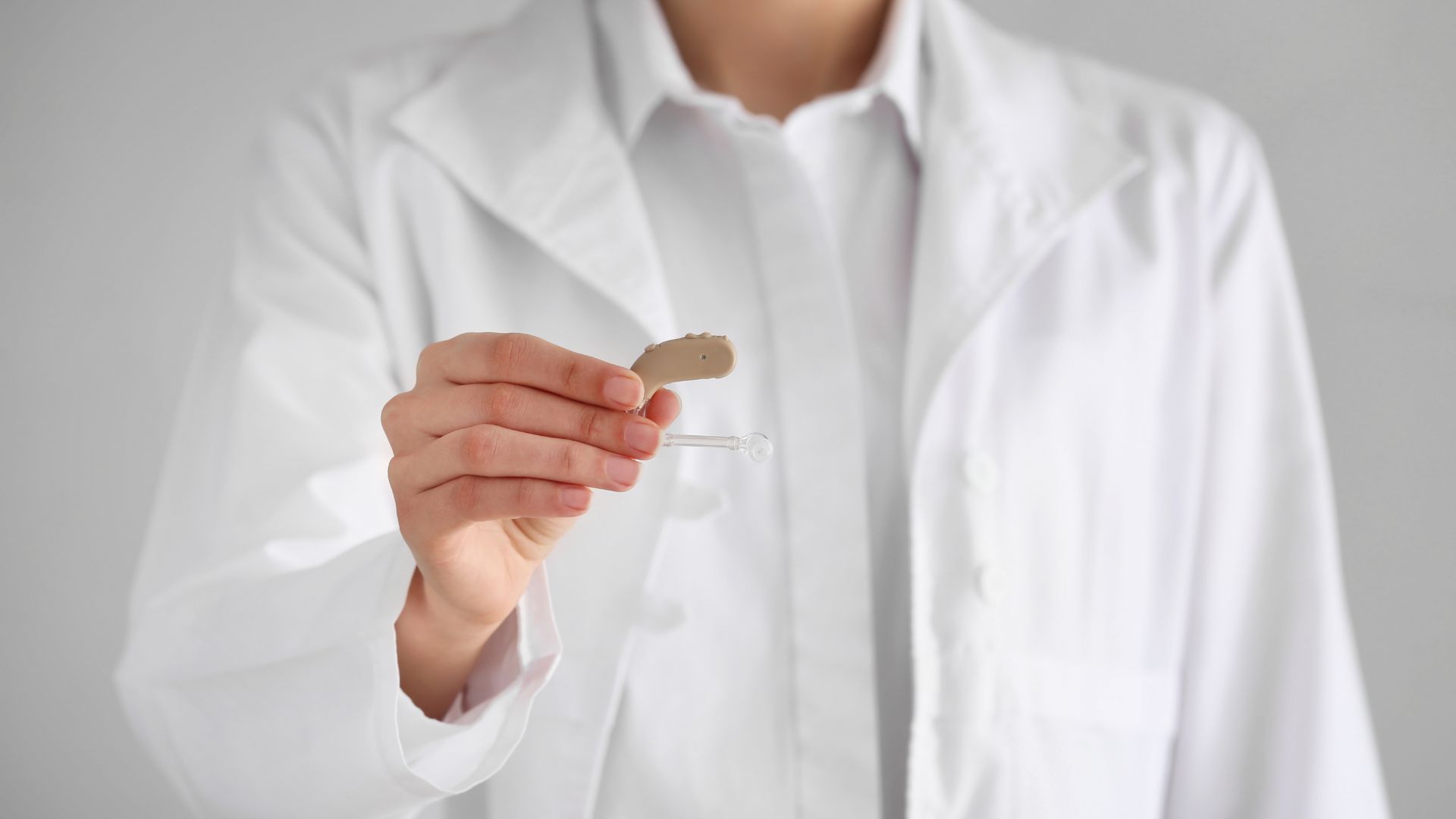
Hearing changes can be confusing and even a little frightening. You may have questions, doubts, or worries about what is happening. In the complex world of hearing health, audioprosthetists play a unique role in supporting people at every stage. However, their role remains little known and sometimes misunderstood! Let’s take a closer look at what they do.
Qualified Professionals by Your Side
An audioprosthetist is a health professional who specializes in assessing hearing and fitting hearing aids for people with hearing loss. To practise this profession in Quebec, you must hold a technical college diploma (DEC) in audioprosthetics and be a member of the Ordre des audioprothésistes du Québec. This diploma also includes a 600-hour practical internship.
During this training, future audioprosthetists learn the technical and clinical aspects of the profession, as well as interpersonal skills. In fact, the curriculum includes not only courses in biology, audiometry, and audioprosthetics, but also psychology!
In fact, their primary focus is on something more fundamental: improving the well-being and quality of life of individuals experiencing hearing loss.
Audioprosthetists generally work in private practices, but may also work for hearing aid manufacturers, for example. They work in collaboration with other specialists, such as audiologists and ENT doctors.
Here is an overview of their roles and how hearing aid specialists work with their clients.
Assessing Needs
During your first appointment with an audioprosthetist for a screening test, you will first meet with the audiologist, who will perform the screening test, and then with the audioprosthetist.
The audioprosthetist will then take over to explain the test results and what they mean. They will also ask you questions to understand your daily life. This step is very important, as it will enable them to choose the best hearing solution for you!
This is the main difference between an audiologist and an audioprosthetist: the latter plays more of a support role and specializes in hearing aids and other devices.
Selecting Hearing Aids
One of the most important roles of a hearing aid specialist is to guide you towards the right device. It is not just a matter of choosing a model, but of doing so while taking into account multiple factors:
- Your degree of hearing loss
- Your lifestyle and daily activities
- Your aesthetic preferences
- Your manual dexterity
- Your budget, if applicable
Your audioprosthetist will be able to guide you towards the devices and technologies that will meet all your needs. Today, there are discreet models and several technologies that make your life more enjoyable.
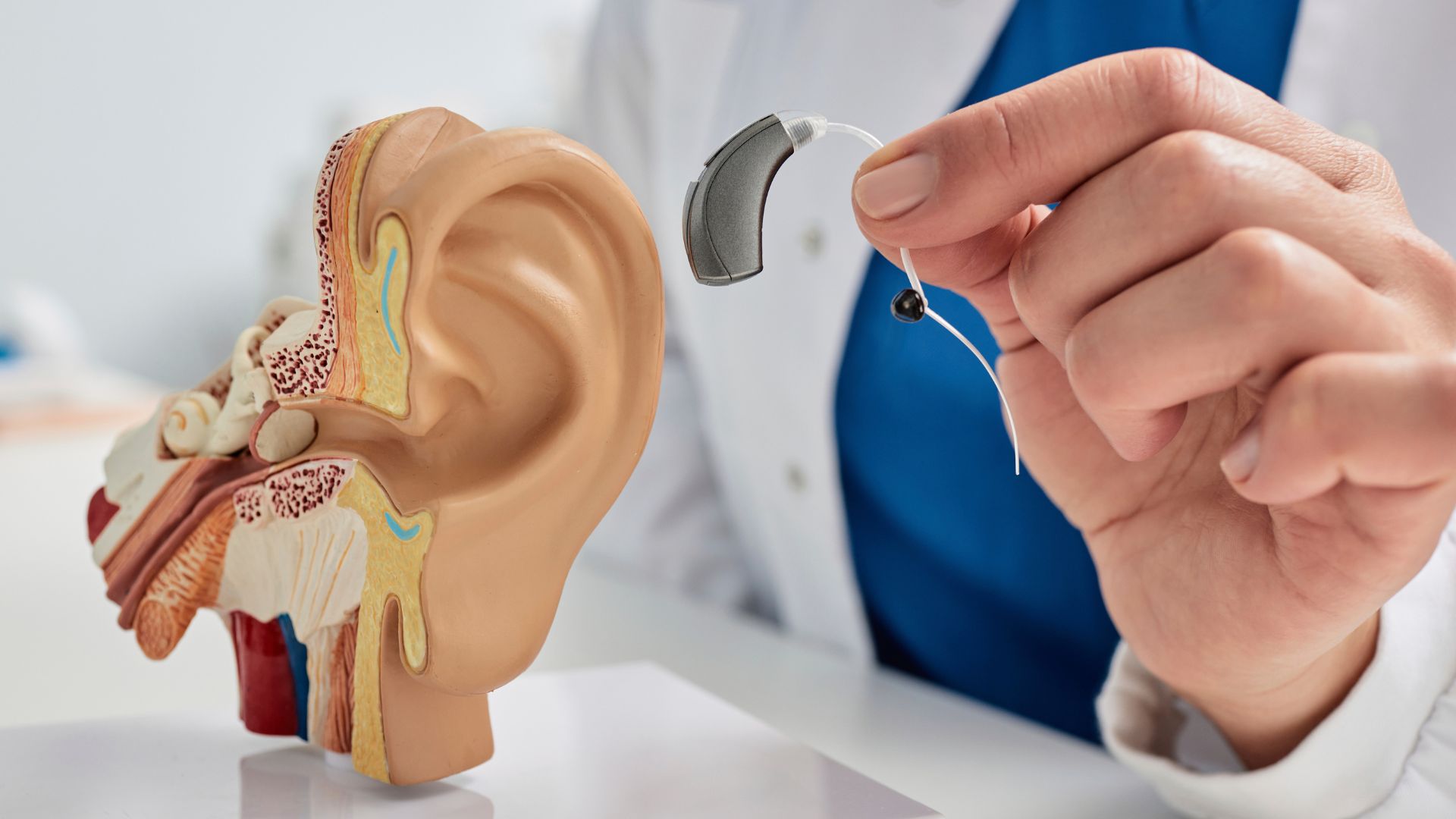
Depending on the type of hearing device, the audioprosthetist may take ear impressions to create a custom ear mould. This step involves placing a paste in your ear to reproduce its shape.
The audioprosthetist will then place the order and contact you for another appointment.
Reception and Adjustments: A Key Step
When you receive your new hearing aids, you’re not done yet! Now it’s time for adjustments, which are also handled by the audioprosthetist.
During the adjustment process, the audioprosthetist calibrates the device so that it is suitable, comfortable, and pleasant to wear in all loud environments. This includes adjusting the frequencies (high and low) and checking speech perception in noisy environments. These adjustments are made based on your audiogram.
The audioprosthetist also ensures that you feel comfortable with the device, both in terms of sound and physical comfort. They will then explain how to use the device (which batteries to use, what volume settings, etc.) and how to maintain it (cleaning, changing ear tips, etc.).
Moreover, adjustments are not only made when you receive the devices: the audioprosthetist can make further adjustments at any time if you experience any discomfort. This is part of the follow-up service.
Follow-Up and Support
From the moment you receive your hearing aids, your audioprosthetist becomes your point of contact. They will schedule follow-up appointments to maintain and readjust your hearing aids, or even repair them if necessary.
As mentioned above, their role is not only technical. These specialists know that adapting to a hearing aid sometimes takes a little time and some guidance. Their role is to equip you to better inform your loved ones, facilitate communication and, of course, help you get used to wearing the devices.
However, it is important to note that modern hearing devices are highly comfortable and discreet: in most cases, adaptation is quick!
Additional Services
Many audioprosthetists also offer other services, including ear protection and tinnitus reduction. This is the case at Gaudreault & Rhéaume: Our audioprosthetists are trained in tinnitus management and can offer you solutions such as tinnitus maskers.
The Audioprosthetist: A Partner for Your Hearing Health
When you take steps to restore your hearing, your audioprosthetist gradually becomes a familiar face. They are a trusted professional who explains each step and guides you through this important transition.
At Gaudreault & Rhéaume, we place special importance on the human aspect of the profession. Our audioprosthetists in Montreal and Laval support you with an expert and warm approach. Whether you already wear hearing aids or would like to have your first test, book your appointment now.
– Marilyn Généreux, audioprosthetist